
How can you check if a color will bleed?
Are you worried about clothes bleeding in the wash? It often happens that your new clothes cause damage in the washing machine during the first wash. Fortunately, there are simple tests you can do to check whether your colors are likely to bleed. This will help you avoid any disasters in your washing machine.
Discover our methods for detecting clothes that bleed before it’s too late. These quick tests will help you protect the rest of your wardrobe.
Find a dry cleaner near you
How to test a garment before washing it?
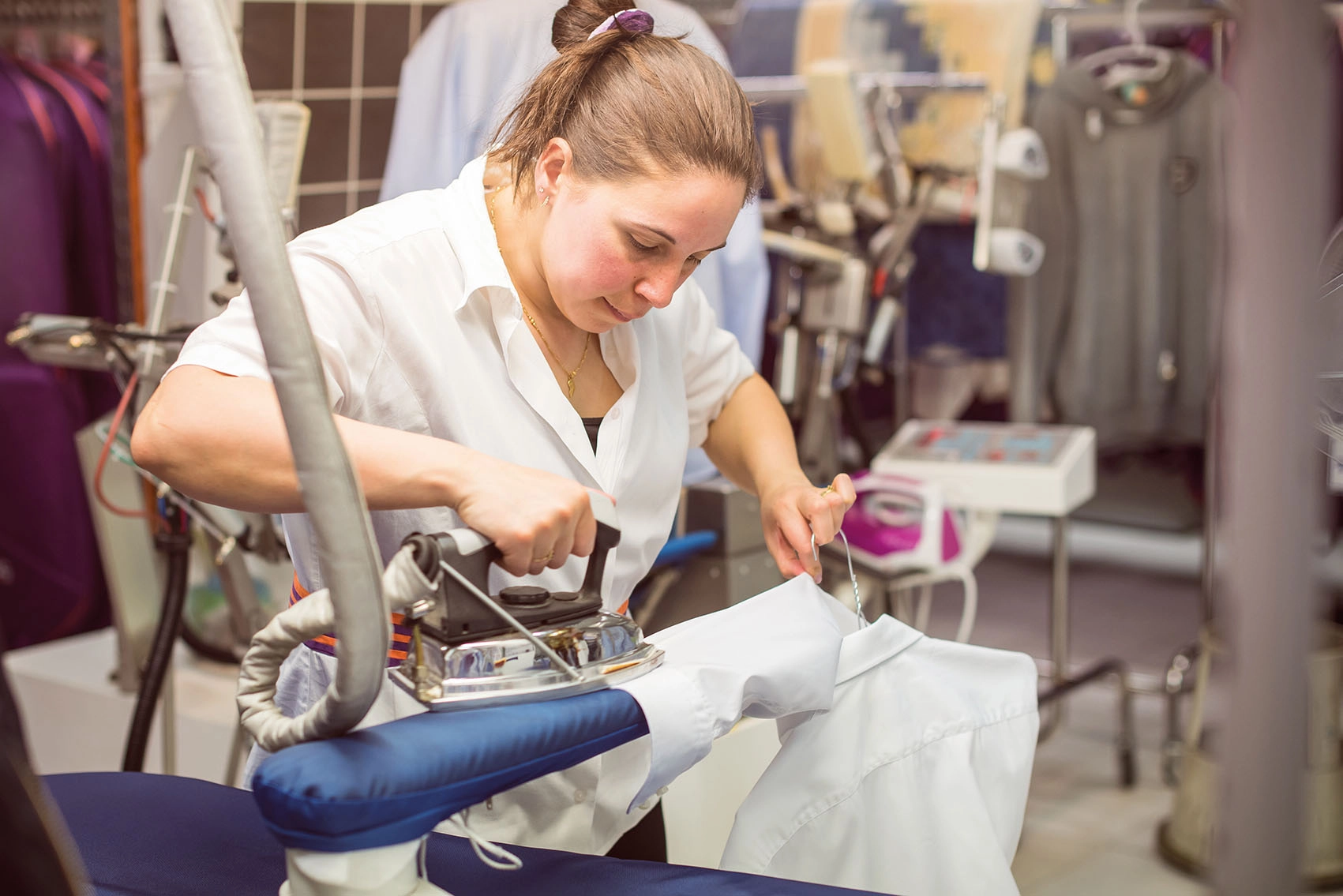
Iron test
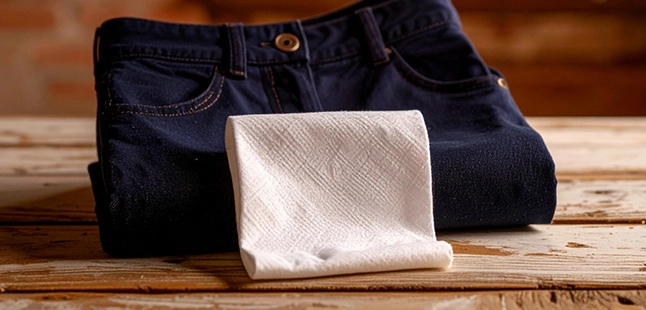
The first test to check if a garment will bleed is simple and effective. Place a damp white cloth on the reverse side of the fabric. Then, iron the entire area with a hot iron for a few seconds.
If the white cloth becomes discolored, it means that the colors are not set. As a result, they may bleed during washing. This test is therefore very reliable for detecting a problem before the first wash.
Cotton swab test
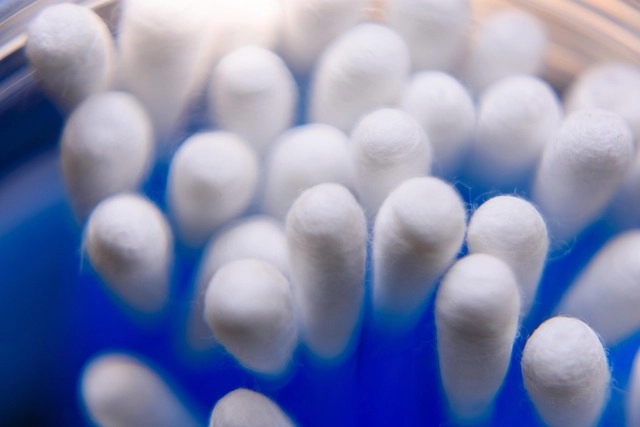
The second test to identify fabric that bleeds is just as simple. Using a cotton swab moistened with warm water, rub the hem or an inconspicuous part of your garment vigorously for 10 to 15 seconds.
If the color transfers to the cotton swab, it means that it is not set. You are therefore dealing with fabric that bleeds. This test is particularly useful for new garments in bright colors.
Would you rather entrust your delicate garments to a professional? Discover our delicate textile cleaning service for treatment tailored to each fabric.
Which fabrics are most likely to bleed?
Materials to watch out for
Some textiles are more likely to bleed than others. Natural fibers such as cotton and linen do not hold dye as well as synthetic fibers.
Here are the textiles to watch out for in particular:
- Denim and jeans: especially raw or dark jeans
- Colored cotton: especially inexpensive cotton
- Dyed linen: linen fibers do not absorb certain dyes well
- Dyed silk: particularly sensitive to water
- Imported clothing: sometimes dyed using less rigorous processes
Therefore, always test these materials before washing them for the first time.
Colors at risk
Bright colors are more likely to cause your laundry to bleed. Red, deep black, navy blue, and purple are particularly risky. These colors require more pigments.
Need help understanding care symbols? Learn how to read your labels so you don’t make any mistakes.
What should you do if your laundry is likely to bleed?
Wash in cold soapy water
If your tests reveal that your laundry is bleeding, don’t panic! The solution is simple: wash your clothes in cold soapy water. Cold water (maximum 30°C) prevents colors from being released from the fibers.
Also, avoid mixing these clothes with other fabrics during the first few washes. This will protect the rest of your laundry.
Fix colors permanently
There are several professional solutions for treating clothes that bleed color permanently. First, a white vinegar bath is very effective. Soak your garment in a mixture of cold water and white vinegar (1 cup per 5 liters of water) for 1 hour.
Salt can also fix colors. Add 2 tablespoons of coarse salt to the rinse water. This will help the pigments adhere better to the fabric fibers.
Other precautions to take
For clothes that bleed color, take these additional precautions:
- Wash the garment separately for the first 3 to 5 washes.
- Use a special color detergent
- Avoid using a dryer, which sets stains
- Turn the garment inside out before washing
- Never leave it to soak in water for long periods
This will preserve your fabrics and prevent color fading.
Have your colors already faded? Find out how to revive them with our fabric brightener.
Mistakes to avoid at all costs
-
Do not test before washing
The most common mistake is not testing a fabric for color bleeding before washing it for the first time. Many people discover the problem too late. So always take two minutes to perform one of the two tests described above.
-
Mix colors
Even if a garment appears to be of good quality, never mix new fabrics with others during the first wash. This is because a garment that bleeds color can contaminate an entire load.
-
Using water that is too hot
Hot water is the main enemy of fabrics that bleed color. However, many people still wash their colored clothes at 40°C or higher. Always stick to a maximum of 30°C for fabrics that are at risk.
Preventing problems with clothes that bleed color
Shopping tips
According to the French Textile and Clothing Institute (IFTH), around 30% of new clothes are at risk of bleeding during the first wash. That’s why it’s essential to test your new purchases.
Choose high-quality garments with colorfast dyes. In addition, read the care labels carefully before purchasing. Warnings such as “wash separately” or “may bleed” should alert you.
Professional care
For laundry that bleeds significantly, take it to a professional. Dry cleaners have the right techniques to treat these delicate fabrics safely.
Frequently asked questions about clothes that bleed color
How can you tell if a garment will bleed?
To detect whether fabric bleeds, use the iron test or the damp cotton swab test. Both methods reveal whether the colors are firmly fixed to the fabric.
Can you fix the color of fabric that bleeds?
Yes! To set the color of a fabric that bleeds, soak it in a mixture of cold water and white vinegar. The vinegar fixes the pigments to the fibers.
Does hot water make color bleeding worse?
Yes, absolutely! Hot water promotes the release of pigments. For fabrics that bleed, always use cold water (maximum 30°C).
Do all new clothes bleed color?
No, not all clothes bleed. However, bright colors (red, black, navy blue) and inexpensive fabrics are more likely to bleed. That’s why it’s a good idea to test them first.
What should you do if a garment has already bled onto other items?
If your bleeding laundry has already stained other clothes, act quickly! Immediately rewash the stained items in cold water without drying them. You can also use a special color stain remover.
Entrust your color-fast laundry to the experts at 5àsec
Is your fabric at high risk of bleeding? Our 5àsec dry cleaners use professional techniques to treat your delicate garments safely. We are experts in methods designed to prevent any color bleeding accidents.
Find a 5àsec dry cleaner near you to protect your laundry from bleeding colors.